


5 Eastern Heritage Jewelry Crafts, Explained
China's craft traditions are among the oldest and most refined in the world, and several have found new life in modern jewelry. If you're new to this world, the names can blur together — filigree, daqi, kesi, luodian, zharan. This guide is your friendly introduction to five Chinese intangible-heritage jewelry crafts: what each one is, what makes it special, and how to recognize it. Think of it as a map, with links to deeper guides for each.
Quick answer: Five key Chinese heritage jewelry crafts are: filigree (花丝) — fine metal thread twisted and soldered into lace-like designs; daqi lacquer (大漆) — natural tree-sap lacquer built in layers over months; kesi (缂丝) — "carved silk" tapestry woven block by block; mother-of-pearl inlay (螺钿 / luodian) — iridescent shell set into a base; and tie-dye (扎染 / zharan) — heritage resist-dye, traditionally indigo. All are recognized as intangible cultural heritage and produce one-of-a-kind, hand-made pieces.
Filigree (花丝): Metal as Lace
Filigree is the art of turning precious metal into lace. Fine silver (or gold) is drawn into hair-thin threads, twisted for texture, shaped into curls and scrolls, and soldered together — entirely by hand — into airy, openwork designs.
- What makes it special: astonishing delicacy and lightness; the finest work can't be truly mass-produced.
- How to recognize it: you can see real twisted thread, tiny soldered joins, and a finished, genuinely open back.
- In YIEON: "filigree inlay" combines the lace-like metalwork with set stones or materials, bridging tradition and modern design.
Filigree is where patience becomes visible — metal coaxed into something that looks impossibly fine.
Daqi Lacquer (大漆): Living Color
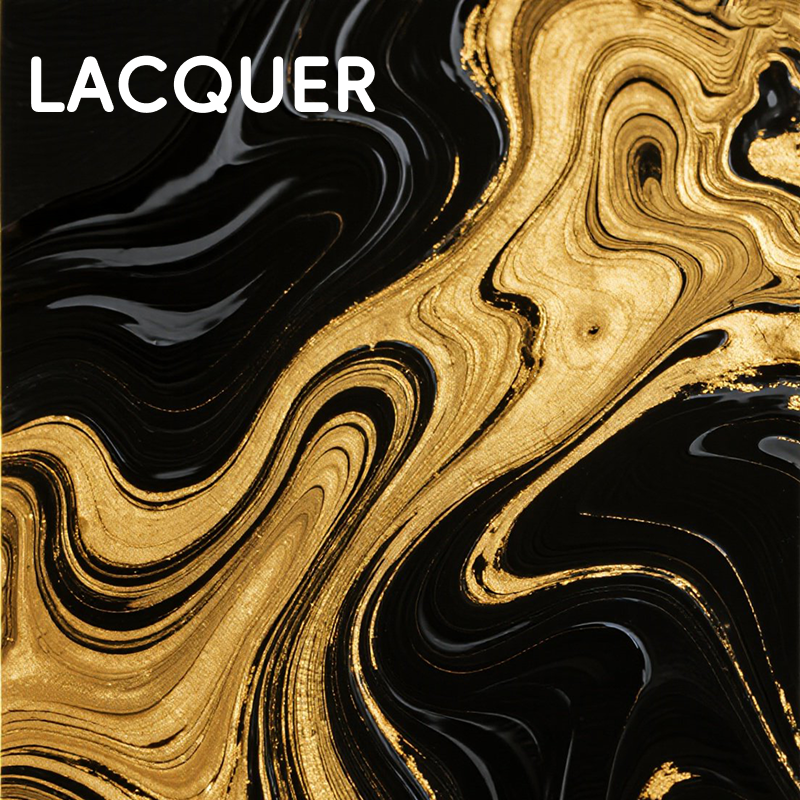
Daqi is natural lacquer — the refined sap of the lacquer tree — with an 8,000-year history. Applied by hand in dozens of thin layers that cure slowly over weeks to months, it forms a deep, glass-like, jewel-toned surface.
- What makes it special: color with real physical depth, a natural material that hardens tougher over time, and rich cultural symbolism (luck, blessing).
- How to recognize it: warm, layered luminosity and a substantial feel — versus flat, light resin lookalikes.
- In YIEON: hand-painted daqi bracelets and pieces, often in "lucky charm" and Fulu motifs.
A daqi bead is quite literally months of patience made wearable.
Kesi (缂丝): Carved Silk
Kesi, "carved silk," is a tapestry weave so demanding that a single scroll could take a master months or years. Colored threads are woven back and forth only within their own color areas, creating painting-like images and a reversible fabric.
- What makes it special: extraordinary, painting-like detail; historically reserved for imperial use; the saying "an inch of kesi is worth an inch of gold."
- How to recognize it: identical on both sides, with fine "carved" slits between color areas.
- In YIEON: kesi motifs and silk brought into contemporary wearable design.
Kesi is textile elevated to fine art — woven, not stitched or printed.
Mother-of-Pearl Inlay (螺钿 / Luodian): Captured Light
Luodian is the craft of cutting iridescent shell (nacre) and setting it into a base — traditionally lacquer or wood, and in jewelry, metal — to form shimmering images. It has over a thousand years of history, pairing especially beautifully with dark lacquer.
- What makes it special: natural iridescence that never fades (its color is structural), and genuine one-of-a-kind character since every piece of shell is unique.
- How to recognize it: tilt it — real nacre's color shifts and travels; imitation stays flat.
- In YIEON: mother-of-pearl inlay pieces, often combined with lacquer, echoing the classic shell-and-lacquer tradition.
Luodian is, quite simply, light set into a surface.
Tie-Dye (扎染 / Zharan): The Living Halo
Zharan is heritage resist-dye: cloth is tied, folded, or stitched before dyeing (traditionally in natural indigo), so bound areas resist color and create soft, haloed patterns. Because each piece is hand-bound, no two are identical.
- What makes it special: organic, dreamy gradients no print can fake, and true one-of-a-kind results.
- How to recognize it: soft, blurred "halo" edges (vs. the hard edges of printing) and subtle piece-to-piece variation.
- In YIEON: the zharan aesthetic translated into modern accessories and jewelry, including tie-dye motifs.
Tie-dye is the craft of the beautiful, unrepeatable accident — guided by a skilled hand.
Comparing the Five at a Glance
A quick map to keep them straight:
| Craft | Medium | Signature tell | One-line essence |
|---|---|---|---|
| Filigree (花丝) | Fine metal thread | Twisted thread + tiny joins, open back | Metal as lace |
| Daqi lacquer (大漆) | Natural lacquer | Warm layered depth, substantial feel | Living color, layered over months |
| Kesi (缂丝) | Woven silk | Reversible, "carved" slits between colors | Painting woven in silk |
| Mother-of-pearl (螺钿) | Iridescent shell | Color shifts when tilted, set inlay | Captured light |
| Tie-dye (扎染) | Resist-dyed textile | Soft haloed edges, unique per piece | The living halo |
Once you can name the signature tell of each, you'll recognize these crafts anywhere — and appreciate the mastery behind them.
Explore YIEON's Collection
Every YIEON best sellers piece is crafted by hand and presented with its cultural story. A few pieces to explore:


Frequently Asked Questions
What are the main Chinese heritage jewelry crafts?
Five key ones are filigree (fine metal threadwork), daqi lacquer (natural layered lacquer), kesi ("carved silk" tapestry), mother-of-pearl inlay (luodian), and tie-dye (zharan) — all recognized as intangible cultural heritage.
What is filigree?
Filigree (花丝) is the craft of drawing precious metal into hair-fine threads and twisting and soldering them by hand into open, lace-like designs. It's known for delicacy and lightness.
What is daqi lacquer?
Daqi (大漆) is natural lacquer from the lacquer tree, applied by hand in dozens of layers cured over months to form deep, glass-like color. It has an 8,000-year history and rich symbolism.
What is kesi silk?
Kesi (缂丝), "carved silk," is a tapestry weave where the image is woven block by block, creating painting-like detail and a reversible fabric. It's rare, slow, and historically imperial.
What is mother-of-pearl inlay (luodian)?
Luodian (螺钿) is the craft of cutting iridescent shell and setting it into a base to form shimmering images. Its color is structural, so it never fades, and each piece is unique.
What is Chinese tie-dye (zharan)?
Zharan (扎染) is heritage resist-dye — cloth bound before dyeing (traditionally indigo) so bound areas resist color, creating soft haloed patterns. Each hand-bound piece is one of a kind.
How do I tell these crafts apart?
Use each craft's signature tell: filigree shows twisted thread and joins; daqi has warm layered depth; kesi is reversible with slit edges; mother-of-pearl shifts color when tilted; tie-dye has soft haloed edges.
Are all of these recognized as intangible cultural heritage?
Yes — these traditional Chinese crafts are recognized as intangible cultural heritage, meaning the techniques themselves are living traditions preserved by artisans.
YIEON — heritage craft as wearable art. Explore the collection at yieon.art.