


Handmade vs. Machine-Made Filigree: How to Tell
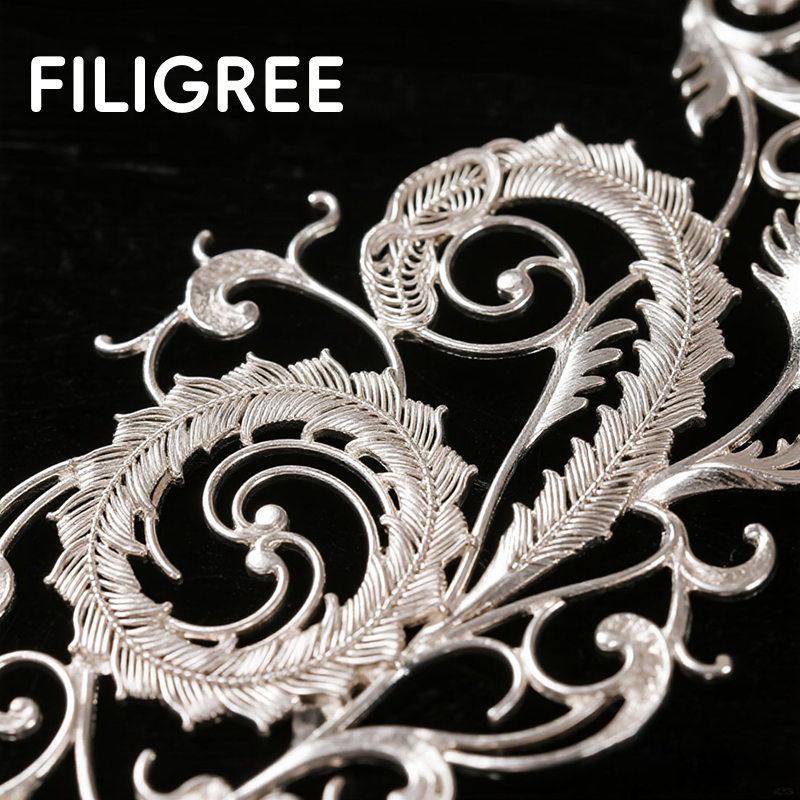
"Filigree" appears on everything from artisan heirlooms to cast costume jewelry that merely imitates the look. The difference in craft — and value — is enormous, but you can learn to tell them apart with a few close looks. This guide shows how to distinguish genuine handmade filigree from machine-made or cast "filigree-look" pieces, by examining the threadwork, joins, back, and feel.
Quick answer: Handmade filigree shows fine twisted-thread texture, tiny individual soldered joins, slight natural variation, and a finished, intentional back — and it's remarkably light for its size. Machine-made or cast "filigree-look" pieces show uniform, seamless, sometimes flat detail with no real threadwork or joins, perfect repetition, and often more weight. Look closely at the threads and the back: real filigree is built from thread; cast lookalikes are poured as one solid piece.
Two Very Different Things
The confusion comes from one word covering two processes:
- Handmade filigree is built from fine metal threads — drawn, twisted, shaped, and soldered together by hand into open lacework (see how it's made in our craft guide).
- Cast / machine-made "filigree-look" is made by pouring metal into a mold shaped like filigree, or stamping a pattern. It imitates the appearance without the threadwork.
They can look similar in a phone photo but are fundamentally different objects — one is assembled thread by thread, the other is a single poured or stamped piece. Knowing which you have is the whole point of this guide.
Look at the Threadwork
The clearest tell is the metal itself:
- Handmade: You can see it's made of thread — fine wires, often twisted so they catch light along a beaded, roped texture. Curls have the slight irregularity of hand-shaping.
- Cast/machine: The "threads" are actually solid raised lines molded into the surface. There's no real wire, no twisted texture — often a slightly soft, melted-looking or flat detail.
Hold it to good light or use your phone's zoom. Genuine filigree reveals its thread structure; a casting reveals uniform, seamless metal pretending to be thread.
Examine the Joins and the Back
Two places give away the method instantly:
- The joins. Handmade filigree has many tiny solder points where threads meet — subtle but present. Cast pieces have no joins at all, because they were formed as one solid object.
- The back. This is a great tell. Handmade filigree is usually finished and intentional on the back, with the openwork genuinely open. Cast lookalikes often have a flat, blank, or messy back, or the "openings" are shallow depressions rather than true holes.
Turn any "filigree" piece over. A truthful, worked back strongly suggests handmade; a flat or blank back suggests casting.
Side-by-Side Signals
| Signal | Handmade filigree | Cast / machine "look" |
|---|---|---|
| Threads | Real fine wire, often twisted texture | Solid molded lines, no true thread |
| Joins | Many tiny soldered points | None (single poured piece) |
| Openwork | Genuinely open, finished back | Often flat/blank back, shallow "holes" |
| Variation | Slight, natural (hand-placed) | Perfectly identical repeats |
| Weight | Surprisingly light for size | Often heavier / more solid |
| Detail crispness | Fine, intentional | Can look soft, melted, or uniform |
No single signal is absolute, but two or three together give you a confident read.
The Weight and Uniqueness Test
Two quick sensory checks:
- Weight. Genuine filigree is mostly air and fine thread, so it's astonishingly light for its apparent size. A "filigree" piece that feels heavy and solid is likely cast.
- Uniqueness. Compare two supposedly identical pieces (or two matching earrings closely). Handmade filigree shows tiny natural differences; machine/cast pieces are perfectly identical because they came from the same mold.
These tests are especially useful when you can't inspect the back — a light, subtly unique piece is a good sign.
Why It Matters for Value and Care
The distinction affects both what you pay for and how you treat it:
- Value: Handmade filigree reflects hours of skilled labor and a living tradition; cast lookalikes are mass-produced. Paying artisan prices for casting is the thing to avoid.
- Longevity & repair: Genuine filigree can often be repaired by a jeweler (threads re-secured, joins fixed); a cast piece that breaks usually can't be truly restored.
- Meaning: A handmade piece carries the story of the maker and the craft — part of why heritage filigree feels special.
- Care: Both benefit from gentle handling, but genuine filigree's fine threads especially reward careful storage and cleaning.
Knowing what you have lets you value it correctly — and care for it accordingly.
Explore YIEON's Filigree Collection
Every YIEON filigree piece is crafted by hand and presented with its cultural story. A few pieces to explore:


Frequently Asked Questions
How can I tell handmade filigree from machine-made?
Look at the threadwork (real twisted wire vs. solid molded lines), the joins (many tiny solder points vs. none), and the back (finished and open vs. flat or blank). Handmade filigree is also very light and slightly unique.
Why is the back of filigree a good tell?
Handmade filigree is genuinely open and finished on the back, while cast lookalikes often have a flat, blank, or messy back with shallow depressions instead of true openings.
Is handmade filigree lighter than cast filigree?
Usually, yes. Genuine filigree is mostly fine thread and open space, so it's surprisingly light for its size. A heavy, solid-feeling "filigree" piece is more likely cast.
Does real filigree have visible joins?
Yes — many tiny soldered points where threads meet. A cast piece has no joins because it was formed as a single poured object.
Why does handmade filigree cost more?
It reflects hours of skilled hand-work — drawing thread, shaping curls, and making countless tiny soldered joins — versus a mass-produced casting from a mold.
Can machine-made filigree be repaired?
Genuine handmade filigree can often be repaired by a jeweler, while a cast lookalike that breaks usually can't be truly restored to its original structure.
Are perfectly identical filigree earrings a bad sign?
Perfect identical repetition suggests casting from one mold. Handmade filigree shows tiny natural variations between pieces because each curl is placed by hand.
Does "filigree-style" mean it's not real filigree?
Often, "filigree-style" or "filigree-look" signals a cast or stamped imitation of the appearance rather than true thread-built filigree. Check the threads, joins, and back to confirm.
YIEON — heritage craft as wearable art. Explore the collection at yieon.art.