


How to Care for Silver Filigree Jewelry (and Prevent Tarnish)
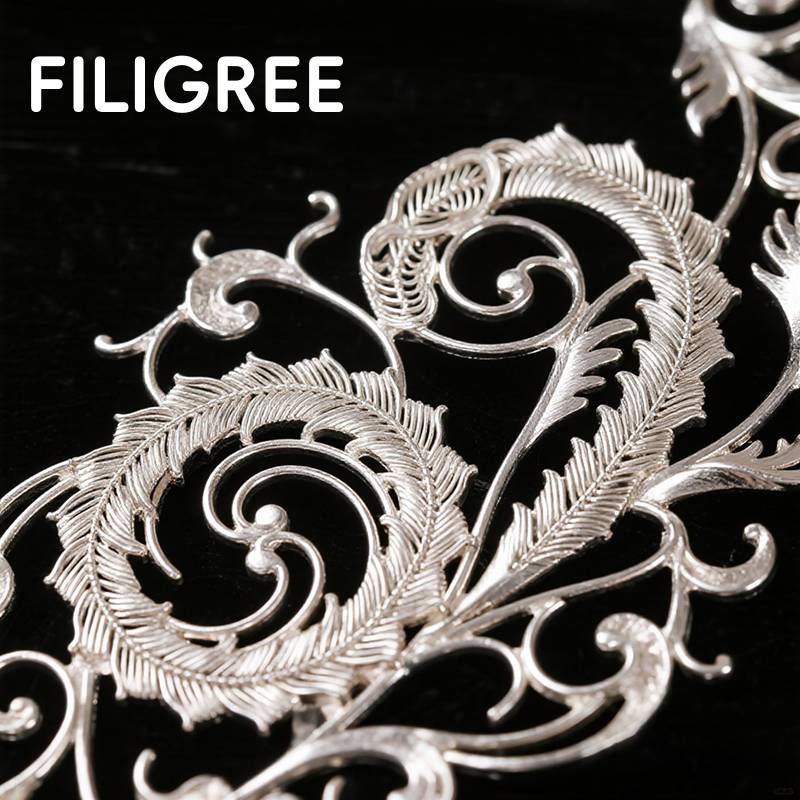
Filigree is some of the most delicate metalwork in all of jewelry — fine silver threads twisted, curled, and soldered into lace-like patterns. That intricacy is exactly what makes it beautiful, and also what makes cleaning and storing it a little different from a plain silver band. Scrub it like an ordinary ring and you risk bending threads or trapping polish in the openwork. This guide covers how to clean silver filigree safely, prevent tarnish before it starts, and store your pieces so the fine detail stays crisp for years.
Quick answer: Care for silver filigree by keeping it dry and away from chemicals, wiping it gently with a soft cloth after wearing, and cleaning it only when needed with mild soap, a soft brush, and thorough drying. Prevent tarnish by storing each piece separately in an anti-tarnish pouch with the air squeezed out, and by putting jewelry on last (after perfume, lotion, and hairspray). Avoid liquid silver dips on filigree — they can seep into the openwork and are hard to rinse out.
Why Filigree Needs Special Care
Filigree jewelry is built from very fine silver threads shaped into open, lace-like designs. Compared with a solid piece, filigree has two vulnerabilities: the thin threads can bend under rough handling, and the many small openings can trap moisture, lotion, and cleaning residue.
Silver also naturally tarnishes — it reacts with sulfur compounds in the air, on skin, and in some cosmetics, forming a dark film over time. On a flat surface that film wipes away easily; in the recesses of filigree it can settle into every curl, which is why prevention matters more here than with chunkier jewelry.
None of this means filigree is fragile in daily life. It just rewards gentle, informed habits over aggressive cleaning.

Everyday Habits That Prevent Tarnish
The easiest care is the care you never have to do. A few small habits keep filigree bright:
- Put jewelry on last. Apply perfume, lotion, sunscreen, and hairspray first, let them dry, then put on your filigree. These products are a leading cause of tarnish and dulling.
- Take it off for water and workouts. Remove pieces before showering, swimming, cleaning, or exercising. Chlorine, salt water, and sweat all accelerate tarnish.
- Wipe after wearing. A quick pass with a soft, lint-free or dedicated silver-polishing cloth removes skin oils and early tarnish before it sets.
- Keep it dry. Moisture is silver's enemy. Never store filigree damp.
These four habits alone will prevent most tarnish problems before they start.
How to Clean Filigree Safely
When a piece does need cleaning, gentle and methodical beats fast and harsh.
The safe method:
- Mix a few drops of mild dish soap into warm (not hot) water.
- Soak the piece briefly — a minute or two — to loosen residue.
- Use a soft brush (a baby toothbrush or a dedicated jewelry brush) and brush lightly, following the direction of the threads.
- Rinse thoroughly in clean water to flush soap out of the openwork.
- Dry completely — blot with a soft cloth, then let it air-dry fully before storing. Trapped moisture causes new tarnish.
A quick comparison of cleaning options:
| Method | Good for filigree? | Notes |
|---|---|---|
| Soft cloth wipe | ✅ Best for routine | Removes oils and light tarnish; use often |
| Mild soap + soft brush | ✅ For heavier grime | Rinse and dry thoroughly |
| Liquid silver "dip" | ⚠️ Avoid | Seeps into openwork, hard to rinse, can over-strip |
| Baking-soda paste / abrasives | ❌ No | Too abrasive; can scratch fine threads |
| Ultrasonic cleaner | ⚠️ Caution | Can loosen stones or stress delicate solder joints |
When in doubt, do less. A soft cloth and mild soap handle almost everything.

Storing Filigree So It Stays Bright
Storage is where tarnish is truly won or lost.
- Store each piece separately. Filigree threads can snag or bend against other jewelry. Individual pouches or a lined, compartmented box prevent both scratches and tangles.
- Use anti-tarnish materials. Anti-tarnish pouches or strips absorb the sulfur compounds that darken silver. Squeeze excess air out of pouches.
- Keep it cool, dark, and dry. Avoid bathrooms (humidity) and sunny windowsills. A drawer or closet works well.
- Don't store dirty. Skin oils left on the metal will tarnish faster, so wipe before putting a piece away for a while.
Do this and you'll reach for a bright, ready-to-wear piece instead of one that needs cleaning first.
Handling Delicate Threads Without Damage
Because YIEON's filigree is inlay-set fine metalwork, a little handling awareness goes a long way:
- Lift by the band or solid areas, not by the open threadwork, when putting rings on and off.
- Avoid pulling or catching filigree earrings and pendants on knit fabrics, scarves, and hair.
- Don't force a bent thread back yourself — very fine silver can fatigue and snap. A jeweler can correct it safely.
- Travel smart: carry filigree in a padded pouch rather than loose in a bag where it can be crushed.
Treated gently, the delicate look is deceptive — the pieces are made to be worn.
When to See a Jeweler
Most care is DIY, but a few situations call for a professional:
- A thread has bent or a solder joint has loosened.
- Tarnish has built up deep in the openwork and won't lift with gentle cleaning.
- A stone in an inlay-set piece feels loose.
- You want a piece professionally polished and re-finished after years of wear.
A good jeweler can clean, re-tighten, and restore filigree far more safely than aggressive home methods — worth it for pieces you love.
Explore YIEON's Filigree Collection
Every YIEON filigree piece is crafted by hand and presented with its cultural story. A few pieces to explore:


Frequently Asked Questions
How do I clean silver filigree jewelry at home?
Soak briefly in warm water with a few drops of mild dish soap, brush gently with a soft brush along the threads, rinse thoroughly to clear the openwork, and dry completely with a soft cloth before storing.
How do I stop my filigree from tarnishing?
Put jewelry on last (after perfume and lotion), take it off for water and workouts, wipe it after wearing, and store each piece in an anti-tarnish pouch in a cool, dark, dry place.
Can I use a silver dip cleaner on filigree?
It's best avoided. Liquid dips can seep into the fine openwork and are hard to rinse out fully, and they can over-strip the finish. A soft cloth and mild soap are safer.
Why does silver filigree tarnish?
Silver reacts with sulfur compounds in air, skin, and some cosmetics, forming a dark film. Filigree shows it more because the film settles into the recesses of the lace-like design.
Is filigree jewelry fragile?
It's delicate but not fragile in normal wear. The fine threads can bend under rough handling, so lift rings by the band, avoid snagging on fabric, and store pieces separately.
How should I store filigree earrings and pendants?
Individually, in anti-tarnish pouches or a lined, compartmented box, with air squeezed out and away from humidity and sunlight. Separate storage prevents both tarnish and snagged threads.
Can I wear filigree jewelry every day?
Yes, with gentle habits. Remove it for showering, swimming, and exercise, wipe it after wearing, and store it properly, and everyday filigree will stay bright and intact.
What should I do if a filigree thread bends?
Don't try to force it back — fine silver can fatigue and break. Take it to a jeweler, who can correct threads and re-tighten solder joints safely.
Does sterling silver filigree tarnish faster than other silver?
All silver tarnishes; the rate depends on exposure to moisture, chemicals, and sulfur, not on the filigree shape itself. The openwork just makes tarnish more visible, so prevention and regular wiping matter more.
YIEON — heritage craft as wearable art. Explore the collection at yieon.art.