


Lacquer Jewelry Buyer's Guide: How to Choose Daqi (Asian & Chinese Lacquer)
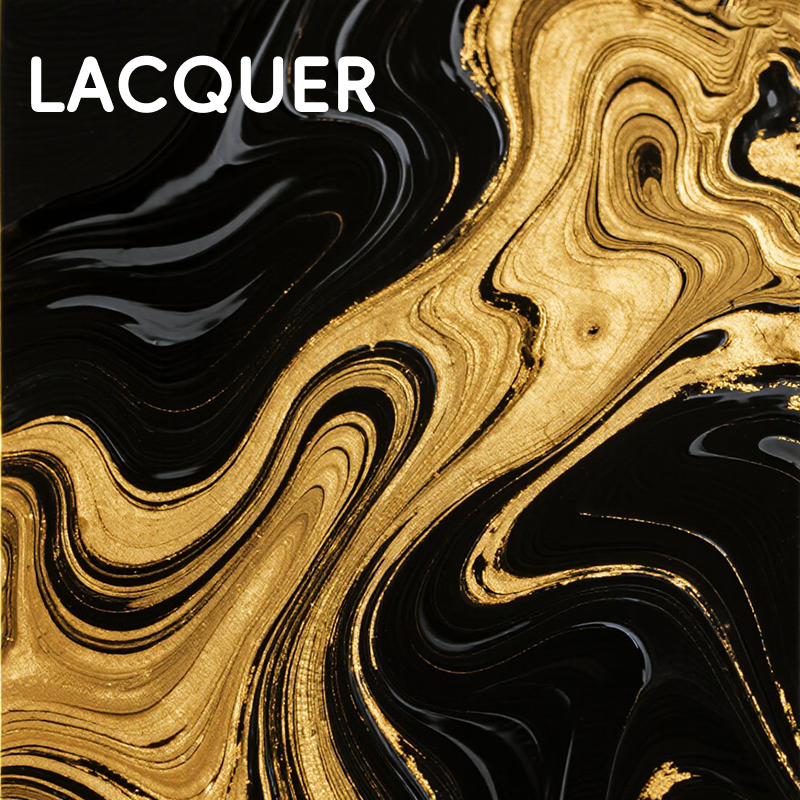
Buying your first piece of daqi lacquer jewelry should feel exciting, not confusing. But with so many "lacquer beads" on the market at wildly different prices, it helps to know what actually matters. This guide walks you through choosing daqi lacquer jewelry with confidence — how to judge authenticity and quality, how to pick color and style, what fits your lifestyle, and how to choose a meaningful first piece.
Quick answer: Choose daqi lacquer jewelry by checking authenticity first (real natural lacquer has warm, layered depth and a substantial feel, versus flat, light resin), then matching color and motif to your taste, considering the piece type for your lifestyle (bracelets and beads wear daily; sculptural pieces are statement gifts), and buying from a maker who explains the material and craft. A genuine daqi piece is inherently limited, so prioritize quality and meaning over the lowest price.
Start With Authenticity
Before anything else, make sure you're buying real daqi. Authentic daqi is natural lacquer built by hand over months; much of the "lacquer-look" market is molded resin.
Quick authenticity checks when choosing:
- Depth: Real daqi has a warm, layered luminosity — color that seems to sit inside the surface. Resin looks flat and printed.
- Feel: Genuine daqi is denser and slightly warm to the touch; resin feels light and cool.
- Availability & price: Authentic daqi is limited by curing time, so it's never mass-available at throwaway prices.
- Transparency: A trustworthy maker explains the material, the artisan, and roughly how the piece was made.
If those signals line up, you're looking at the real thing — and everything else in this guide applies.
Judging Craft and Quality
Once authenticity is established, quality is about the execution:
- Surface finish. Look for an even, glassy polish without cloudy patches or rough spots. The best daqi has an almost liquid depth.
- Color transitions. On multi-color pieces, transitions should look intentional and smooth, evidence of skilled layering.
- Inlay work. If a piece includes mother-of-pearl (螺钿) or gold, the inlay should sit flush and clean.
- Consistency across beads. On a bracelet, beads should feel like a considered set, not a random mix.
- Finishing details. Check clasps, stringing, and how the piece is assembled — good craft shows in the small parts.
You don't need to be an expert; you just need to look closely. Quality daqi rewards a close look.
Choosing Color and Motif
Daqi's palette is one of its joys, and color often carries meaning:
- Reds and warm tones: Often associated with luck, celebration, and vitality — popular for everyday good-fortune pieces.
- Deep, dark grounds: Classic and versatile; make inlay and gold accents pop.
- Multi-color / rainbow layering: Playful and modern, a statement of the craft's layered depth.
- Motifs (Fulu gourds, lucky charms, nature themes): Many daqi pieces carry cultural symbolism — choose one whose meaning resonates with you or your gift recipient.
Pick a color you'll actually reach for, and a motif whose story you like telling.
Matching the Piece to Your Lifestyle
Different daqi pieces suit different lives:
| Piece type | Best for |
|---|---|
| Beaded bracelet | Everyday wear; durable, easy to layer or stack |
| Pendant / necklace | Versatile statement; dresses up or down |
| Earrings | Lightweight daily elegance |
| Fulu / sculptural piece | Statement or gift; more of a display-and-occasion item |
If you want one piece to wear constantly, a daqi bracelet is a forgiving, durable choice. If it's a gift or a special-occasion statement, a sculptural or inlaid piece carries more drama.
Choosing a Meaningful First Piece
Daqi is as much about meaning as material, which makes it a wonderful gift or milestone purchase:
- Buy the story, not just the look. Many daqi pieces reference luck, blessing, or nature. A piece whose meaning fits an occasion — a new beginning, gratitude, protection — becomes more than jewelry.
- Consider the wearer's palette. Warm skin tones love daqi's reds and golds; cooler tones can carry deep, dark grounds beautifully.
- Start versatile. For a first piece, a bracelet or simple pendant integrates easily into an existing wardrobe.
- Think about care. All daqi is easy to care for, but daily-wear pieces (bracelets) are the most forgiving for someone new to the material.
The best first piece is one the wearer connects with — in color, story, and everyday wearability.
Where and How to Buy With Confidence
A few final pointers for a purchase you won't regret:
- Buy from makers who show their work. Transparency about material, artisan, and process is the strongest trust signal.
- Read the piece description. Genuine daqi listings talk about natural lacquer, layering, and curing — not just "lacquer bead."
- Value uniqueness. Because daqi is handmade, slight variation is a feature, not a flaw — each piece is one of a kind.
- Prioritize quality over the cheapest option. With daqi, an unusually low price is usually a sign of resin, not a bargain.
Choose with these in mind and your first daqi piece will be one you keep — and likely the first of several.
Explore YIEON's Daqi Lacquer Collection
Every YIEON daqi lacquer piece is crafted by hand and presented with its cultural story. A few pieces to explore:


Frequently Asked Questions
How do I choose good daqi lacquer jewelry?
Start by confirming it's authentic (warm layered depth, substantial feel), then judge craft (even glassy finish, clean inlay, consistent beads), pick a color and motif you love, and buy from a maker who explains the material and process.
What should a first daqi piece be?
A beaded bracelet or a simple pendant is ideal for a first piece — durable, easy to wear daily, and simple to integrate into an existing wardrobe.
How can I tell quality daqi from poor quality?
Look for an even, glassy polish without cloudy or rough patches, smooth intentional color transitions, flush clean inlay work, and good finishing on clasps and stringing.
Does daqi color have meaning?
Often, yes. Reds and warm tones are associated with luck and vitality; motifs like Fulu gourds and lucky charms carry blessings. Choosing a meaningful color or motif adds significance to the piece.
Why is real daqi more expensive than lookalikes?
Authentic daqi is built from dozens of hand-applied layers cured over months, so it's inherently limited and can't be mass-produced. An unusually low price usually signals resin, not real lacquer.
Which daqi piece is best for everyday wear?
A beaded bracelet — it's durable, water-resistant when cured, easy to layer, and the most forgiving daily-wear option in daqi.
How do I choose daqi as a gift?
Match the color to the recipient's palette (warm tones love reds and golds), pick a motif whose meaning fits the occasion, and start with a versatile bracelet or pendant they can wear often.
Is slight variation between daqi pieces normal?
Yes. Because daqi is hand-painted and naturally cured, small variations in color and pattern are expected — each piece is genuinely one of a kind.
YIEON — heritage craft as wearable art. Explore the collection at yieon.art.