


Natural vs. Chemical Dye in Tie-Dye: How to Tell
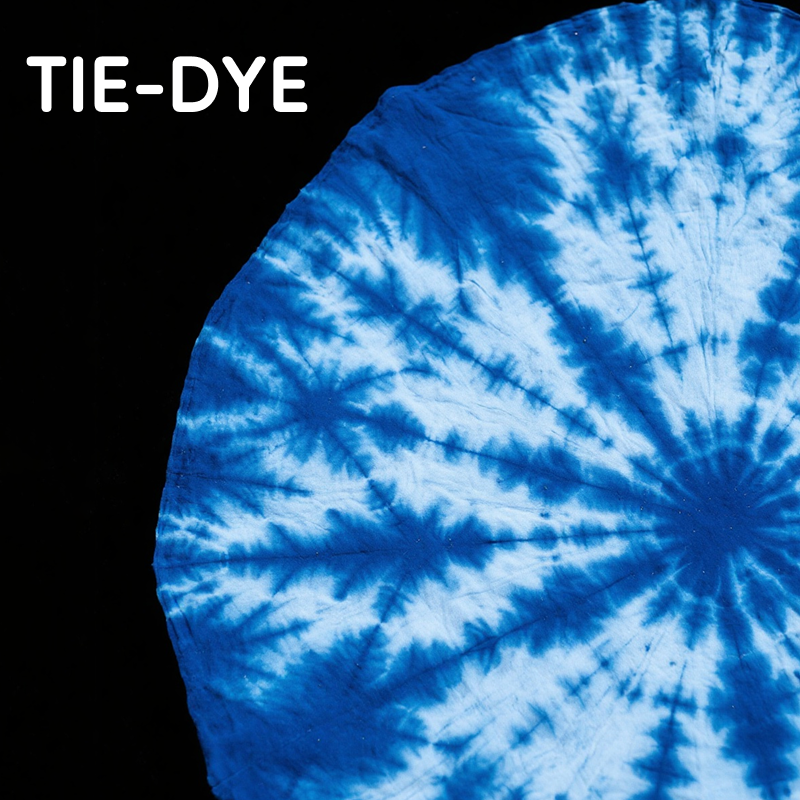
Not all tie-dye is created equal. Traditional zharan (扎染) uses natural dyes — above all indigo from the indigo plant — while mass-market tie-dye often uses synthetic chemical dyes for cheaper, brighter, more uniform results. The two look different once you know what to notice, and they age differently too. This guide explains natural (plant) dye vs. chemical dye in tie-dye, and how to tell which one you're looking at.
Quick answer: Natural dye (like plant-based indigo) tends toward deep, slightly muted, complex color with soft organic gradients, subtle variation between pieces, and a gentle aging that softens over time. Chemical/synthetic dye is often brighter, more uniform, and more colorfast, with sharper, more repeatable results. Tell them apart by color character (organic and slightly variable vs. bright and uniform), the halo softness, piece-to-piece variation, and whether the maker specifies natural/plant dyes or indigo.
Two Traditions, Two Results
The dye is where "heritage tie-dye" and "mass tie-dye" truly diverge:
- Natural dye (traditional zharan): color from plants and minerals — most iconically indigo from the indigo plant. It's the historic method, tied to intangible cultural heritage.
- Chemical/synthetic dye: modern lab-made dyes engineered for bright, consistent, colorfast results at low cost.
Neither is "bad" — synthetic dye has real advantages in brightness and durability. But if you value the authentic craft, the natural aesthetic, and the heritage story, the dye source matters. Knowing the difference lets you choose intentionally.
Color Character
The clearest difference is the quality of the color:
- Natural dye: tends to be deep but slightly muted, with a complex, layered character. Indigo in particular gives that classic blue-to-white range with a soft, almost living depth. Colors feel harmonious rather than electric.
- Chemical dye: often brighter, more saturated, and more uniform — the vivid, high-contrast look of much commercial tie-dye. Colors can be more "perfect" and less organic.
If the color feels rich but calm and slightly complex, think natural; if it's punchy, ultra-bright, and perfectly even, think synthetic.
The Halo and the Hand
Beyond color, the pattern tells you about the process:
- Natural, hand-bound zharan: soft, organic halos where dye bled gradually; slight irregularity; a made-by-hand feel. Each piece is subtly unique.
- Cheap chemical tie-dye: can have harder, more uniform, or even printed-looking edges, and repeats that look identical across items (a sign of printing rather than true resist-dyeing).
Note this is really two questions layered together — natural vs. chemical dye and hand-dyed vs. printed. Authentic heritage pieces are usually both natural-dyed and hand-bound; the cheapest imitations are often both synthetic and printed.
Aging and Colorfastness
They behave differently over time:
| Natural / plant dye | Chemical / synthetic dye | |
|---|---|---|
| Brightness | Deep, muted, complex | Bright, saturated, uniform |
| Colorfastness | Can soften gracefully over years | Typically more colorfast |
| Fading style | Ages gently, character deepens | Holds longer, then can look "flat" when it does fade |
| Wash behavior | May release a little dye early | Usually very stable |
Interestingly, natural dye's lower colorfastness is part of its charm — it ages like a natural material, softening rather than staying frozen. Synthetic dye stays put longer but lacks that living quality.
Smell, Source, and Story
A few more practical tells:
- The maker's description. The most reliable signal: authentic makers specify natural dyes, plant-based, or indigo, and often describe hand-binding. Vague "tie-dye" with no dye info leans commercial.
- Smell (fresh pieces). Freshly natural-dyed textiles can have a faint plant/earthy note; strong chemical odor suggests synthetic (though this fades and isn't definitive).
- Price and volume. Natural, hand-dyed pieces are limited and priced accordingly; endless cheap identical pieces suggest synthetic mass production.
- Uniqueness. Natural hand-dye yields subtle piece-to-piece variation; perfect uniformity suggests synthetic/printed.
Combine these with the color and halo checks for a confident read.
Which Should You Choose?
It depends on what you value:
- Choose natural dye if you want the authentic heritage craft, the soft organic aesthetic, one-of-a-kind character, and a genuine cultural story — and you're happy to give it gentle care (sun protection, gentle washing).
- Choose synthetic if you prioritize maximum brightness, uniformity, and low-maintenance colorfastness above authenticity — common in casual mass-market pieces.
For heritage-focused jewelry and accessories, natural dye is the point: it carries the tradition of zharan and ages like the living material it is. If that's what draws you to tie-dye, look for the natural-dye and hand-bound signals — and care for it accordingly.
Explore YIEON's Tie-Dye Collection
Every YIEON tie-dye piece is crafted by hand and presented with its cultural story. A few pieces to explore:


Frequently Asked Questions
How can I tell natural dye from chemical dye in tie-dye?
Look at color character (natural is deep, muted, and complex; chemical is bright and uniform), the halo softness (organic vs. hard or printed), piece-to-piece variation, and whether the maker specifies natural/plant dyes or indigo.
What dye is traditional Chinese tie-dye made with?
Traditional zharan uses natural dyes, most iconically indigo from the indigo plant, giving its classic deep blue-and-white look. It's the historic, heritage method.
Is natural dye better than chemical dye?
Neither is simply "better." Natural dye offers authentic heritage character, organic color, and unique aging; chemical dye offers brighter, more uniform, more colorfast results. It depends on what you value.
Does natural-dyed tie-dye fade faster?
It can be less colorfast than synthetic dye and may soften over years, but that gentle aging is part of its charm — it ages like a natural material rather than staying frozen. Sun protection and gentle washing extend its life.
Why is natural-dyed tie-dye more expensive?
Natural, hand-dyed pieces are limited, labor-intensive, and tied to traditional craft, so they're priced accordingly. Endless cheap, identical pieces usually indicate synthetic mass production.
Can I tell dye type by smell?
Sometimes — freshly natural-dyed textiles may have a faint plant or earthy note, while a strong chemical odor suggests synthetic. It's a weak signal that fades over time, so combine it with color and pattern checks.
What's the difference between hand-dyed and printed tie-dye?
Hand-dyed (resist) tie-dye has soft, organic halos and subtle variation between pieces; printed tie-dye has hard, identical, repeating patterns. The cheapest imitations are often both synthetic-dyed and printed.
How do I know a piece uses natural indigo?
The most reliable way is the maker's description specifying natural/plant dye or indigo and hand-binding, supported by the deep, slightly muted color, soft halos, and unique piece-to-piece variation.
YIEON — heritage craft as wearable art. Explore the collection at yieon.art.