


Real Daqi Lacquer vs. Resin Beads: How to Tell the Difference
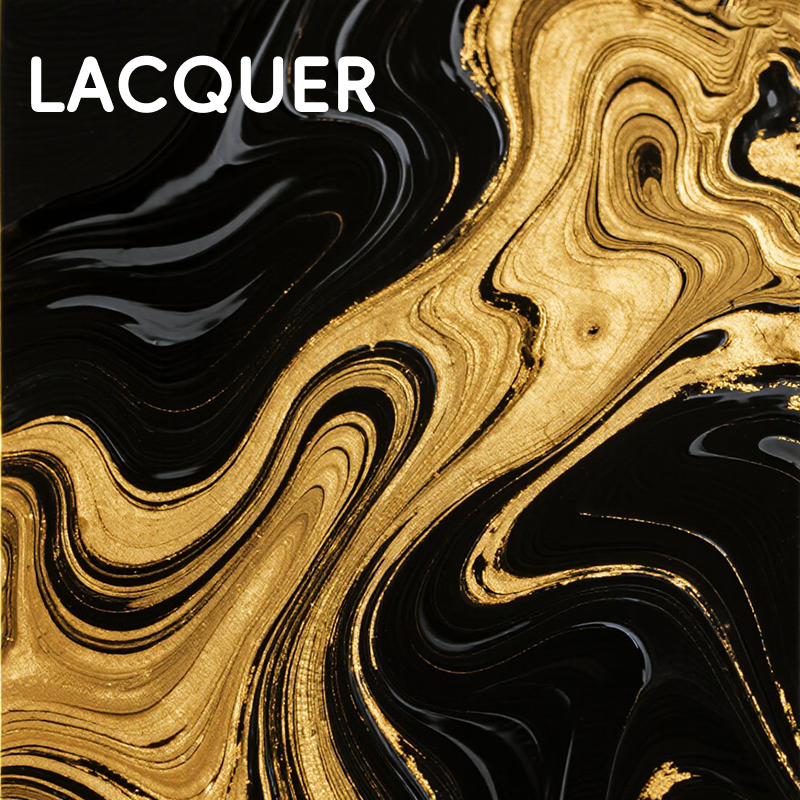
Search "daqi beads" or "lacquer bracelet" and you'll find pieces ranging from a few dollars to a few hundred — all described as "lacquer." Most of them are not daqi at all. They're molded resin finished to look like lacquer. The difference matters, because authentic daqi (大漆) is a natural material built by hand over months, while a resin look-alike is machine-made in hours. This guide shows you exactly how to tell them apart before you buy — by material, making, weight, surface depth, durability, and price.
Quick answer: Authentic daqi lacquer is a natural resin tapped from the lacquer tree and hand-applied in dozens of thin layers that cure slowly over weeks to months. Resin "lacquer-look" beads are synthetic plastic, molded or dip-coated in hours. Tell them apart by depth (daqi has warm, layered luminosity; resin looks flat and uniform), weight and touch (daqi feels warmer and denser), durability (daqi hardens tougher over time; resin can chip, yellow, or peel), and price/availability (real daqi is inherently limited by the pace of the craft).
What "Daqi" Actually Means
The word daqi (大漆) refers to natural lacquer — the refined sap of the lacquer tree (Toxicodendron vernicifluum), the same material known as urushi in Japan. It is one of the oldest engineered materials in human history, with archaeological lacquer objects in China dating back roughly 8,000 years.
The key thing to understand: daqi is not a paint or a coating in the modern sense. It is a natural resin that polymerizes — exposed to the right warmth and humidity, liquid lacquer hardens into a substance as tough and lustrous as natural plastic, resistant to water and time. That single property is why a genuine daqi bead has a depth of color and a durability that molded resin simply cannot fake.
So when a product is described as "daqi beads" or "daqi lacquer," the honest version means this specific natural material, applied by hand. Many listings borrow the word without the material. Knowing the difference is the whole point of this guide.

How Authentic Daqi Is Made (and Why It Takes Months)
The defining feature of real daqi is time. There are no shortcuts, and that's exactly what separates it from resin.
- Harvesting. Sap is tapped from mature lacquer trees — a limited, seasonal resource.
- Refining. The raw sap is filtered and prepared; artisans may adjust it with natural oils to control how it flows.
- Layering. A bead core is coated one thin, even layer at a time. Thick layers crack, so each coat must be patient and precise.
- Curing. Between coats, the piece rests in a warm, humid environment to harden naturally. This is the bottleneck — each cycle takes days.
- Repeating. Dozens of layer-and-cure cycles build the depth. A finished bead can take anywhere from three months to a year.
- Polishing & inlay. The surface is polished to a glassy shine; some pieces are inlaid with mother-of-pearl (螺钿) or dusted with fine gold.
A resin "lacquer-look" bead skips all of this: liquid plastic is poured into a mold or a core is dip-coated, then cured in hours. It can be produced in unlimited quantity. That's why price and availability alone are a strong tell — which we'll come back to in Section 5.

Real Daqi vs. Resin: A Side-by-Side Check
Here is the practical comparison to use when you're looking at a bead in person or in photos.
| Authentic Daqi (大漆) | Resin / "Lacquer-look" | |
|---|---|---|
| Material | Natural tree-sap resin (urushi family) | Synthetic resin or plastic |
| Making | Dozens of hand-brushed layers, weeks–months of curing | Molded or dip-coated in hours |
| Depth | Layered, luminous, warm — color seems to sit inside the bead | Flat, uniform, printed-looking |
| Touch & weight | Warmer to the touch, denser, substantial | Cooler, often lighter, "plasticky" |
| Durability | Hardens tougher over time; resists water | Can chip, yellow, or peel |
| Heritage | Intangible cultural heritage craft | Industrial product |
| Availability | Inherently limited by the pace of the craft | Effectively unlimited |
If two or three of these point to "resin," it almost certainly is. Authentic daqi rarely fails more than one of these tests at once.
Why the Distinction Matters (Beyond Snobbery)
This isn't about looking down on affordable jewelry. It's about knowing what you're paying for.
A genuine daqi bead is, quite literally, months of accumulated, irreversible human patience. You are wearing a natural material with an 8,000-year lineage — one that ages better, deepening rather than degrading. A resin look-alike is a costume piece: fine for what it is, but it will not carry the same meaning, longevity, or story.
There's also a heritage dimension. Daqi is recognized as an intangible cultural heritage craft, and the artisans who practice it are a shrinking community. Choosing authentic daqi supports the continuation of a living tradition rather than its imitation.

The Price & Availability Test
Price is the single fastest tell, if you read it correctly.
Real daqi is bottlenecked by curing time — an artisan can only make so many beads per season. So authentic daqi jewelry is naturally limited and never mass-available at throwaway prices. If a "lacquer" bracelet is inexpensive and available in unlimited quantity in every color on demand, it is almost certainly resin.
That said, "expensive" alone doesn't prove authenticity — plenty of resin is marked up. Combine the price signal with the material, depth, and touch checks from Section 3. Authenticity is a pattern of signals, not any single one.
When you buy from a heritage-focused maker, look for transparency: does the seller explain the material, the artisan, and the process? Vague "lacquer" language with no process detail is a yellow flag.
How to Choose (and Care for) Real Daqi
Once you know it's authentic, choosing well is about fit and care:
- Choose by feel and depth. In person, look for that inner luminosity and the slightly warm, dense touch. In photos, look for color that shifts subtly with the light rather than a flat print.
- Ask about the process. A maker who can tell you roughly how long a piece took, and whether it's inlaid with mother-of-pearl, is a good sign.
- Care simply. Daqi is durable but appreciates gentle treatment: keep it away from harsh solvents and prolonged direct sun, wipe with a soft dry cloth, and store it separately so it doesn't scratch against harder stones or metal.
Worn and cared for, a daqi piece doesn't just last — it deepens.
Explore YIEON's Daqi Lacquer Collection
Every YIEON daqi lacquer piece is crafted by hand and presented with its cultural story. A few pieces to explore:


Frequently Asked Questions
What is daqi lacquer?
Daqi (大漆) is natural lacquer — the refined sap of the lacquer tree — applied by hand in many thin layers that harden through slow natural curing. It's the same material family as Japanese urushi and has an 8,000-year history in China.
How can I tell real daqi from resin beads?
Check material, depth, touch, durability, and price together. Authentic daqi has warm, layered luminosity, feels denser and warmer to the touch, hardens tougher over time, and is never mass-available at throwaway prices. Resin looks flat, feels lighter and cooler, and can chip or yellow.
Why does authentic daqi cost more?
Because it's limited by curing time. Each bead is built from dozens of hand-applied layers, each needing days to cure, so a finished piece can take three months to a year. That labor and time can't be compressed.
Are daqi beads waterproof?
Cured daqi is water-resistant and durable, which is one reason lacquer was historically used on vessels and trays. Still, avoid harsh solvents and prolonged soaking, and wipe pieces dry after contact with water.
Is daqi the same as Japanese urushi?
They come from the same material family — lacquer-tree sap. "Urushi" is the Japanese term and tradition; "daqi" is the Chinese term. The chemistry is closely related; the craft traditions and aesthetics differ.
Does daqi jewelry last?
Yes. Authentic daqi actually hardens and toughens over time. With gentle care — avoiding solvents, storing separately, wiping with a soft cloth — a daqi piece can last for decades and deepen in character.
Why do some "lacquer" beads look identical but cost much less?
Because they're usually resin molded to imitate lacquer. They can look similar in a single photo but reveal themselves in person through a flat surface, lighter weight, and cooler, plastic-like touch.
How should I store daqi jewelry?
Store it separately from harder stones and metals to prevent scratches, keep it out of prolonged direct sunlight, and avoid airtight contact with chemicals or perfumes. A soft pouch or lined box is ideal.
Is daqi an intangible cultural heritage craft?
Yes. Chinese lacquer craft is recognized as intangible cultural heritage, and authentic daqi work is made by a small community of trained artisans — part of why each genuine piece carries real cultural weight.
YIEON — heritage craft as wearable art. Explore the collection at yieon.art.